Exercise is one of the most effective ways to help manage Parkinson’s symptoms. Regular movement can improve balance, flexibility, mobility, posture, and overall quality of life. While many exercises require little or no equipment, having the right tools at home can make it easier to stay consistent and create a safe workout routine.
According to the Parkinson’s Foundation, regular exercise is an important part of managing Parkinson’s and may help maintain function and independence over time. The best exercise equipment is often simple, affordable, and easy to use.
Resistance Bands
Resistance bands are one of the most versatile pieces of equipment for individuals with Parkinson’s. They are lightweight, inexpensive, and can be used to improve strength throughout the body.
Resistance bands can help strengthen:
- Legs
- Arms
- Shoulders
- Core muscles
They are also easier on the joints than traditional weights and can be used while sitting or standing. This Resistance band set is most popular as it comes with 5 different resistance levels. Check it out here.
Pedal Exercisers
Pedal exercisers allow users to pedal while sitting in a chair, making them a great option for seniors who may have mobility or balance concerns.
Benefits may include:
- Improved circulation
- Increased leg movement
- Low-impact cardiovascular exercise
- Convenient indoor activity
People like this model on Amazon as it compact enough to fit under a desk and comes with 12 different speeds. Take a look here.
Light Dumbbells
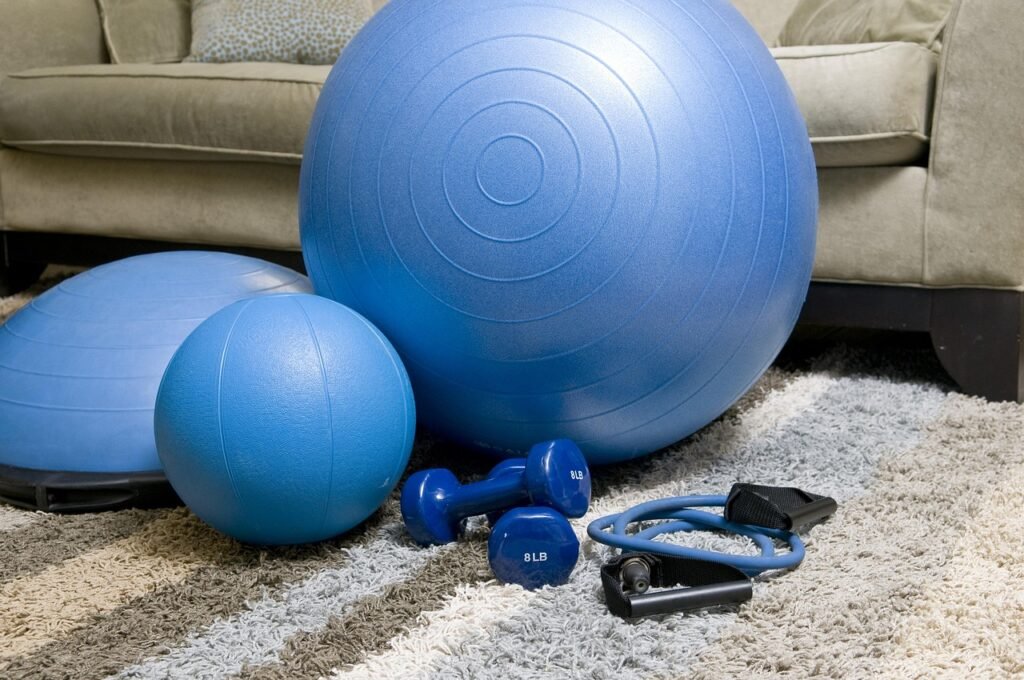
Light dumbbells can help improve strength, posture, and daily function. Building strength may make everyday activities such as carrying groceries, standing up from a chair, or maintaining balance easier. Focus on controlled movements rather than heavy lifting.
Stability Ball
A stability ball can be used for seated exercises, stretching, posture training, and core strengthening.
Benefits include:
- Improved posture
- Increased core strength
- Better body awareness
- Enhanced balance training
Always use caution and support when first using a stability ball as it can take some getting used to.
Balance Pads
Balance pads are soft foam platforms designed to challenge stability and improve balance.
These tools can help:
- Strengthen stabilizing muscles
- Improve coordination
- Build confidence with movement
Because Parkinson’s can affect balance, this type of training may be especially beneficial when performed safely.
Walking Poles
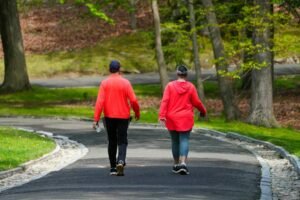
Walking poles are becoming increasingly popular for individuals with Parkinson’s. They encourage larger arm movements, improved posture, and more intentional walking patterns.
Many people find that walking poles help:
- Improve walking rhythm
- Increase arm swing
- Promote better posture
- Build confidence outdoors
There are a variety of difference types and adapters but this kit from Cascade Mountain has everything you need.
Exercise Step Platform
A low step platform can be useful for improving leg strength, coordination, and balance.
Simple step-up exercises can help strengthen muscles used for:
- Walking
- Climbing stairs
- Getting up from chairs
Start with a low platform and use support as needed. This platform from Amazon is highly recommended as it comes with risers so you can adjust the height to your preference. Take a look here.
Stationary Bike
Stationary bikes are one of the most popular exercise tools for Parkinson’s because they provide cardiovascular exercise without placing excessive stress on the joints.
Benefits may include:
- Improved endurance
- Better leg movement
- Increased cardiovascular health
- Reduced fall risk compared to outdoor cycling
According to research supported by the Parkinson’s Foundation, cycling may help support mobility and overall physical function.
Foam Roller
Foam rollers can help reduce muscle tightness and improve flexibility.
Many people use foam rollers to:
- Relieve stiffness
- Improve mobility
- Support recovery after exercise
Because stiffness is a common Parkinson’s symptom, foam rolling may be a useful addition to a stretching routine.