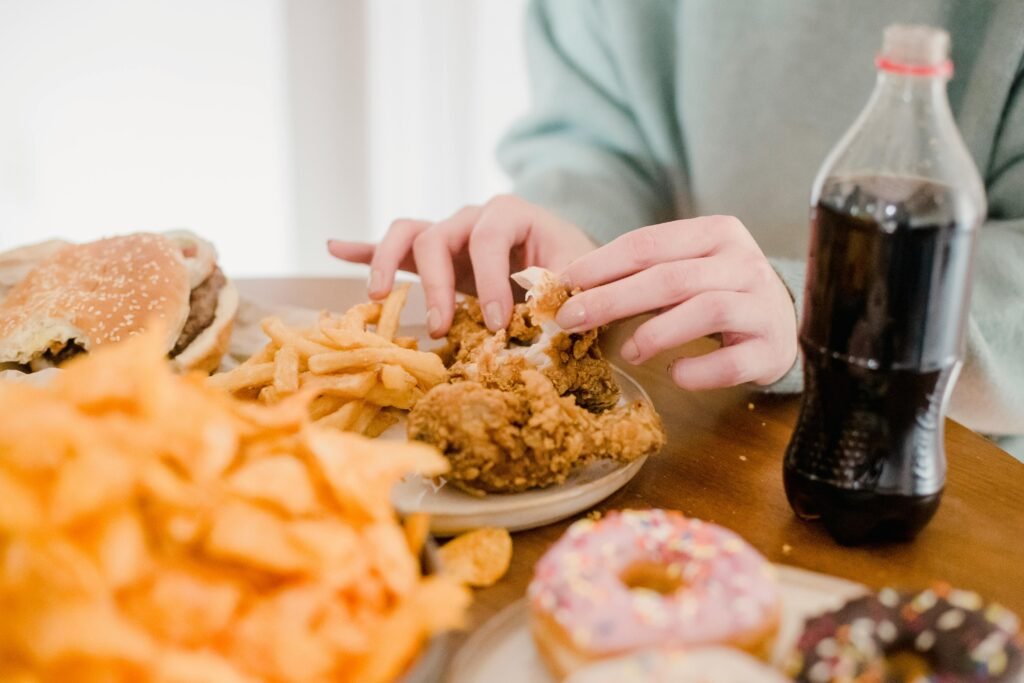
Nutrition can play an important role in managing Parkinson’s disease. While there is no specific “Parkinson’s diet,” some foods may worsen symptoms such as fatigue, inflammation, constipation, poor sleep, or medication effectiveness in certain individuals. According to the Parkinson’s Foundation, a balanced diet focused on whole foods, hydration, and consistency may help support energy, digestion, and overall well-being. Not everyone reacts to foods the same way, but being mindful of certain eating habits may help improve daily function and symptom management.
Highly Processed Foods
Highly processed foods are often high in sugar, sodium, unhealthy fats, and artificial ingredients while lacking important nutrients and fiber.
Examples include:
- Packaged snack foods
- Fast food
- Sugary cereals
- Processed frozen meals
These foods may contribute to:
- Low energy levels
- Increased inflammation
- Poor digestion
- Blood sugar fluctuations
Replacing processed foods with more whole-food options may help support better energy and overall health.
Excess Sugar
Foods and drinks high in added sugar can cause spikes and crashes in energy levels, which may worsen fatigue throughout the day.
Common high-sugar foods include:
- Soda
- Candy
- Pastries
- Sweetened coffee drinks
Too much sugar may also contribute to inflammation and poor sleep quality over time. According to the National Institute on Aging, maintaining stable nutrition and healthy eating habits is important for supporting long-term health and function.
Fried and Greasy Foods
Heavy fried foods may be harder to digest and can sometimes leave individuals feeling sluggish or uncomfortable.
Examples include:
- Fried fast food
- Greasy takeout meals
- Heavily processed fried snacks
Some people with Parkinson’s already experience slower digestion or constipation, and greasy foods may worsen these issues.
High-Protein Meals Around Medication Time
Protein is important for overall health, but large amounts of protein may interfere with how certain medications such as levodopa are absorbed in some people.
Foods high in protein include:
- Red meat
- Chicken
- Eggs
- Protein supplements
According to the Mayo Clinic, some individuals may benefit from spacing protein intake away from medication times if recommended by their healthcare provider. Always discuss medication timing and dietary adjustments with your doctor before making changes.
Alcohol
Alcohol may worsen:
- Balance problems
- Sleep quality
- Dehydration
- Dizziness
Since Parkinson’s can already affect balance and coordination, excessive alcohol use may increase fall risk and fatigue. Moderation and medical guidance are important.
Too Much Caffeine Late in the Day
Caffeine affects everyone differently. While some individuals find caffeine helps energy or alertness, too much—especially later in the day—may worsen:
- Sleep problems
- Anxiety
- Restlessness
Because sleep is already a common challenge in Parkinson’s, limiting caffeine in the afternoon or evening may help improve rest.
The Importance of Hydration and Fiber
While focusing on foods to limit, it’s equally important to focus on foods that support overall health.
Many people with Parkinson’s benefit from:
- Drinking more water
- Eating fiber-rich foods
- Including fruits and vegetables
- Choosing whole grains
These habits may help support digestion, energy, and overall well-being.
Focus on Balance, Not Perfection
Nutrition with Parkinson’s is not about following a perfect diet. Small, realistic changes are often the most sustainable and helpful long term.
The goal is to:
- Support energy levels
- Improve digestion
- Maintain hydration
- Support medication effectiveness
- Improve overall quality of life
Paying attention to how certain foods affect your body can help you make better day-to-day choices over time. Learn more with The Complete Parkinson’s Diet Cookbook with a 180 Day Meal Plan and 2000 Days of Recipes.