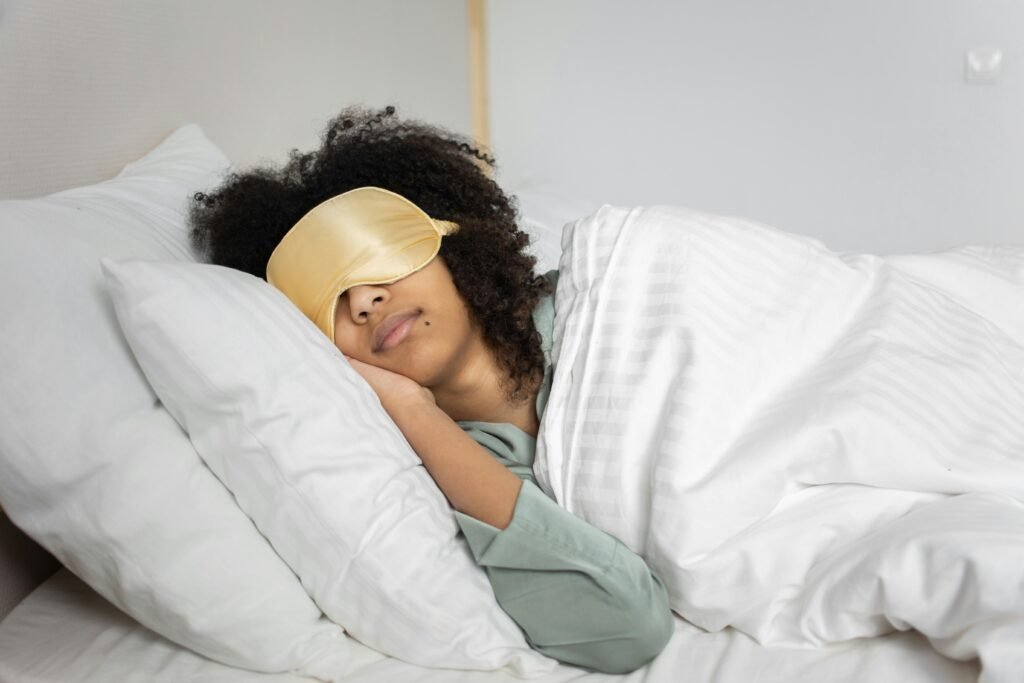
Sleep plays an important role in overall health, energy, mood, and movement. For individuals living with Parkinson’s, poor sleep can sometimes make symptoms feel more noticeable or difficult to manage.
According to the National Institute of Neurological Disorders and Stroke, sleep disturbances are common in Parkinson’s disease and may affect both motor and non-motor symptoms.
Why Sleep Matters
During sleep, the body and brain recover and recharge. Poor sleep can affect:
- Energy levels
- Balance and coordination
- Mood and concentration
- Stress levels
- Daytime movement
When sleep quality decreases, symptoms such as stiffness, fatigue, and slower movement may feel worse during the day.
Common Sleep Problems in Parkinson’s
People with Parkinson’s may experience several types of sleep challenges, including:
- Difficulty falling asleep
- Frequent waking during the night
- Restlessness
- Acting out dreams during sleep
- Daytime fatigue
- Difficulty turning in bed
These issues may be related to Parkinson’s symptoms, medication timing, or changes in brain chemistry.
How Poor Sleep Can Affect Symptoms
Lack of sleep may increase:
- Fatigue
- Slower movement
- Irritability or stress
- Difficulty concentrating
- Balance problems
Some individuals may also feel tremors or stiffness are more noticeable after a poor night of sleep.
According to the Parkinson’s Foundation, improving sleep quality can positively impact daily function and overall well-being.
Simple Ways to Improve Sleep
Small changes in routine may help support better sleep.
Helpful habits include:
- Going to bed at the same time nightly
- Reducing screen time before bed
- Keeping the bedroom cool and quiet
- Limiting caffeine later in the day
- Stretching lightly before bed
- Following a calming evening routine
Consistency is often key.
Talk to Your Healthcare Provider
Sleep problems are common but should not be ignored. A healthcare provider may help identify:
- Medication-related sleep issues
- Sleep disorders
- Treatment adjustments
- Therapy or lifestyle recommendations
Better sleep can sometimes lead to noticeable improvements in daily symptoms and quality of life.