
Symptoms
Learn the most common movement and non-movement symptoms of Parkinson’s and how they may change over time.
Symptoms of Parkinson’s
Parkinson’s disease affects people in different ways, but symptoms are generally grouped into motor (movement-related) and non-motor symptoms. These symptoms usually develop gradually and may begin on one side of the body before becoming more noticeable over time. Some individuals experience mild changes for years, while others may notice symptoms progress more quickly. According to the National Institute of Neurological Disorders and Stroke, the most common symptoms of Parkinson’s include tremor, slowness of movement, muscle stiffness, and balance problems. In addition, many people experience non-motor symptoms that affect sleep, mood, digestion, and thinking.
Motor Symptoms
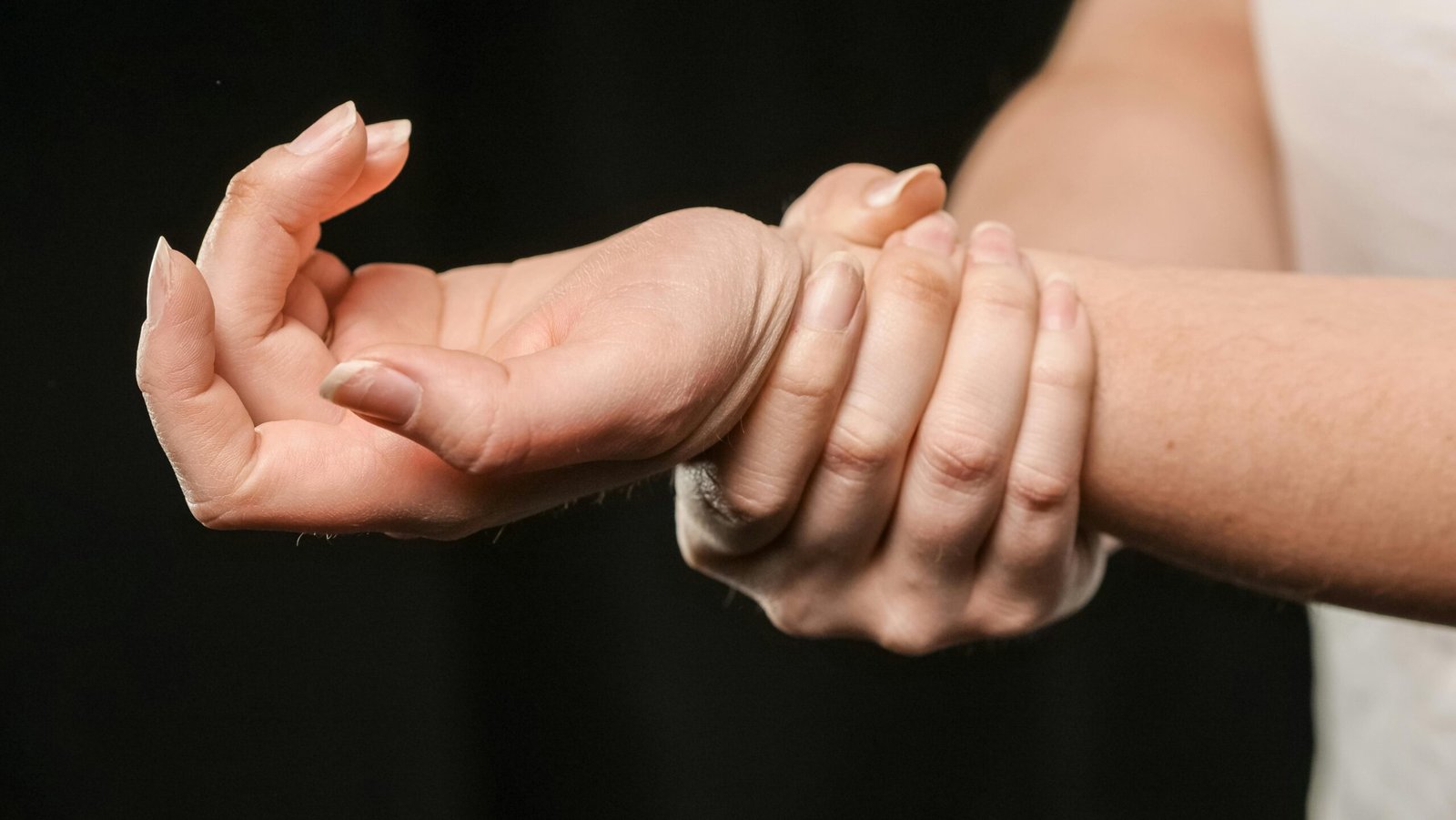
Motor symptoms affect movement and everyday activities. One of the most recognizable symptoms is a tremor, which often begins in the hand or fingers when the body is at rest. This tremor usually starts on one side of the body and may lessen when the hand is in motion. While tremor is common, not everyone with Parkinson’s experiences it.
Another key symptom is slowness of movement, also known as bradykinesia. People may notice that walking becomes slower, movements take more effort, and everyday tasks require more time. Arm swing may decrease while walking, and steps may become shorter. Clinical summaries from the National Center for Biotechnology Information describe bradykinesia as one of the core features used in diagnosing Parkinson’s. Muscle stiffness, sometimes called rigidity, can also develop. This stiffness may affect the arms, legs, shoulders, or neck and can make movement feel tight or uncomfortable. Some individuals first notice stiffness as shoulder pain or reduced flexibility.
As Parkinson’s progresses, balance and posture changes may occur. People may begin to lean forward slightly, develop a shuffling walk, or have difficulty turning. These changes can increase fall risk and make mobility more challenging.
Common Motor Symptoms
- Tremor (often starting in one hand)
- Slowness of movement (bradykinesia)
- Muscle stiffness (rigidity)
- Balance and posture changes
- Reduced arm swing when walking
- Smaller handwriting
Non-Motor Symptoms
Parkinson’s also affects many functions beyond movement. Non-motor symptoms can appear before movement changes and are sometimes overlooked in early stages. These symptoms may affect sleep, digestion, mood, and thinking. Some individuals experience sleep disturbances, fatigue, constipation, or a reduced sense of smell. Others may notice depression, anxiety, or mild cognitive changes. Voice may become softer, and facial expressions may appear reduced. These changes often develop gradually and may be first noticed by caregivers.
According to the Parkinson’s Foundation, non-motor symptoms are very common and can significantly affect quality of life.
Common Non-Motor Symptoms
- Sleep problems
- Fatigue
- Constipation
- Loss of smell
- Depression or anxiety
- Soft or quiet voice
- Mild memory or thinking changes
How Symptoms Change Over Time
Parkinson’s symptoms typically progress slowly, and not everyone experiences the same pattern. Some people may primarily experience tremor, while others may have more stiffness or balance-related symptoms. The severity and progression vary widely from person to person.
According to the National Center for Biotechnology Information, many individuals live independently for years, especially with proper treatment, exercise, and lifestyle adjustments.
Important to Remember
- Symptoms often begin gradually
- Signs may start on one side of the body
- Not everyone experiences tremor
- Non-motor symptoms are common
- Symptoms vary from person to person
- Treatment can help manage symptoms and improve daily life